
What Is a Ferritin Test?
The ferritin test is a simple blood test that measures the amount of ferritin in your blood. Ferritin is a protein that stores iron in your body. Because iron is important for making healthy red blood cells, this test helps doctors check your iron levels. In fact, the ferritin blood test is often used to find out if you have too little or too much iron. According to the World Health Organization (WHO), iron balance is key for good health.
Why Is a Ferritin Test Ordered?
Doctors order a ferritin test for several reasons. Sometimes, you may have symptoms that suggest low or high iron. Other times, your doctor may want to check your iron stores if you have a health condition that affects iron levels. For example, the ferritin test can help diagnose anemia or iron overload.
Additionally, the test may be used if you have chronic diseases that affect iron, such as kidney disease or certain infections.
How Is the Ferritin Test Performed?
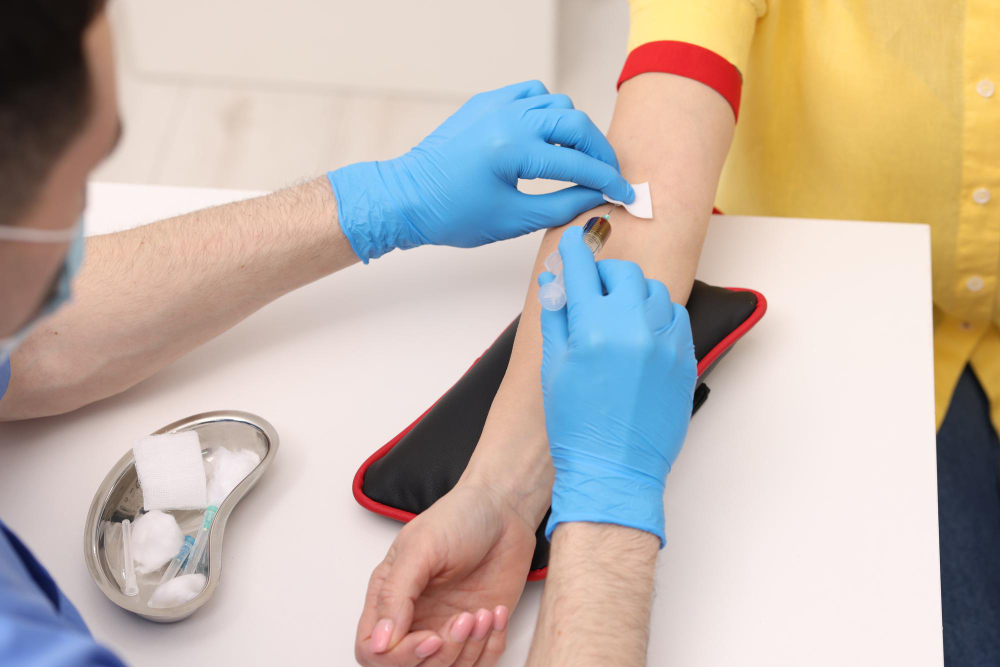
The ferritin test is quick and easy. First, a healthcare worker will clean your arm. Next, they will use a small needle to draw a blood sample from a vein. The process usually takes just a few minutes. Afterward, you can return to your normal activities. Most people do not need to prepare for this test. However, your doctor may ask you to avoid certain foods or medicines before the test.
Understanding Ferritin Test Results
Once your blood is tested, your doctor will review your ferritin test results. Normal ferritin levels can vary by age and sex. For most adults, normal values are between 20 and 500 nanograms per milliliter (ng/mL). However, these ranges may differ by lab. Your doctor will explain what your results mean for you. Ferritin test interpretation depends on your health, symptoms, and other blood tests.
Sometimes, ferritin levels can be affected by infection or inflammation. Therefore, your doctor may order more tests to confirm the cause.
Causes of Low and High Ferritin Levels
Ferritin levels can be too low or too high for many reasons. Knowing the cause helps your doctor choose the right treatment.
Low Ferritin Levels
High Ferritin Causes
According to the Centers for Disease Control and Prevention (CDC), both low and high ferritin levels should be checked by a doctor.
When Should You Get a Ferritin Test?
You may need a ferritin test if you have symptoms of low or high iron. Early testing can help find problems before they get worse. For example, you should talk to your doctor if you notice any of these signs:
Additionally, people with certain health conditions or family history of iron disorders may need regular ferritin blood tests.
Frequently Asked Questions About Ferritin Tests
Conclusion and Next Steps
In summary, the ferritin test is a helpful tool for checking your body’s iron stores. It can find problems early and guide treatment. If you have symptoms or risk factors, talk to your doctor about getting a ferritin blood test. For personalized advice about ferritin testing, consult a healthcare provider at Ajey Diagnostics Pvt Ltd.