
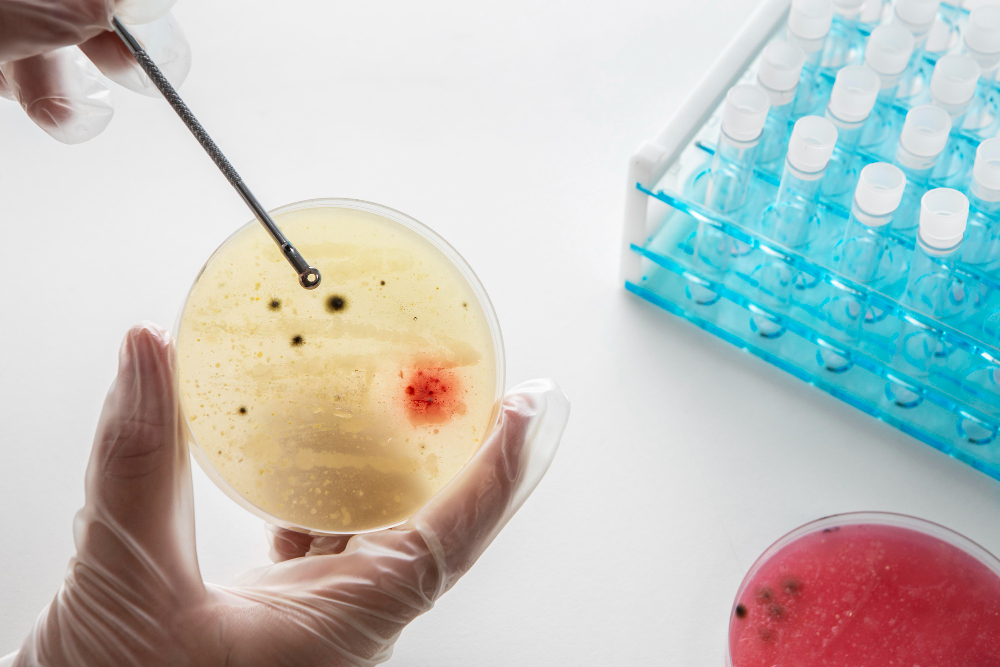
What Is H. pylori?
H. pylori is a type of bacteria that lives in the stomach. Sometimes, it can cause problems like stomach pain or ulcers. However, many people have H. pylori and do not feel sick. Even so, it is important to know about H. pylori testing if you have symptoms.
Why Is H. pylori Testing Important?
H. pylori testing helps doctors find out if this bacteria is causing your stomach issues. If left untreated, H. pylori can lead to ulcers or even stomach cancer. Therefore, early testing can help you get the right treatment and avoid serious problems. According to the CDC, treating H. pylori lowers the risk of ulcers and other stomach diseases.
Common Symptoms That May Prompt Testing
Not everyone with H. pylori feels sick. Still, you should consider H. pylori testing if you have:
For example, if you notice these symptoms, talk to your doctor about H. pylori diagnosis.
Types of H. pylori Tests
Doctors use several ways to check for H. pylori. Each test has its own steps and benefits. Here are the most common types:
Because each test is different, your doctor will choose the best one for you.
How to Prepare for H. pylori Testing
Preparation depends on the type of test. Still, there are some general tips to follow:
Always ask your doctor about H. pylori test preparation before your appointment.
What to Expect During and After the Test
Most H. pylori tests are quick and simple. For example, the breath and stool tests are painless and take only a short time. Blood tests involve a small needle prick. If you need an endoscopy, you may get medicine to help you relax. After the test, you can usually go home the same day. Your doctor will tell you when to expect your results.
Understanding Your Test Results
Once your results are ready, your doctor will explain what they mean. If the test is positive, it means H. pylori is present in your stomach. If it is negative, you likely do not have the infection. Sometimes, you may need more tests if your symptoms continue. Either way, your doctor will guide you on the next steps.
Next Steps and Treatment Options if Positive
If you test positive for H. pylori, your doctor will suggest treatment. Usually, this means taking a mix of antibiotics and medicines that lower stomach acid. This treatment helps kill the bacteria and heal your stomach. It is important to take all your medicine, even if you start to feel better. After treatment, your doctor may repeat the test to make sure the infection is gone.
Prevention Tips and Lifestyle Guidance
While H. pylori can spread through food, water, or close contact, you can lower your risk by:
In addition, keeping a healthy lifestyle can help your stomach stay strong. For example, avoid smoking and limit alcohol, as these can make stomach problems worse.
Conclusion
H. pylori testing is a simple way to protect your stomach health. Early testing and treatment can prevent serious problems. If you have symptoms or concerns, consult Ajey Diagnostics Pvt Ltd for personalized advice on H. pylori testing.