
What Is an RF Test?
The RF test, or Rheumatoid Factor test, is a simple blood test. It checks for rheumatoid factor, a type of protein in your blood. Doctors often use this test to help diagnose rheumatoid arthritis. However, it can also help find other health problems. The RF test is quick and does not require special equipment. Because it is easy to do, many clinics and hospitals offer it.
Why Is the RF Test Done?
Doctors order the RF test for several reasons. Most often, it helps them check for autoimmune diseases. These are conditions where your body attacks its own tissues. The most common reason is to look for rheumatoid arthritis. Yet, the test can also help find other problems.
Sometimes, doctors use the RF test with other blood tests. This gives a clearer picture of your health.
How Is the RF Test Performed?
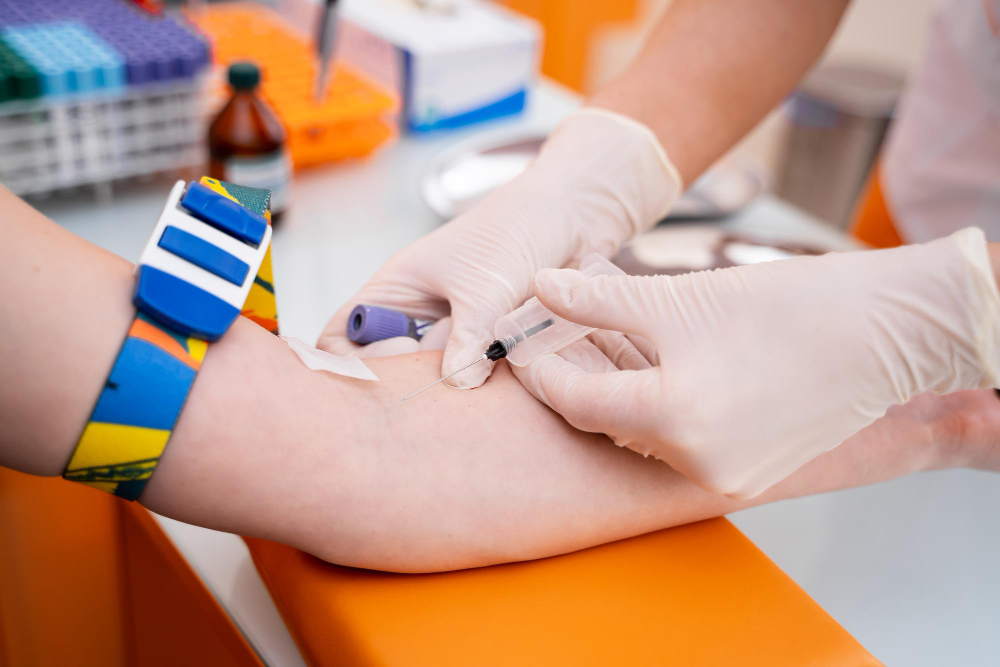
The RF test procedure is simple and quick. You do not need to do much to prepare. Usually, you can eat and drink as normal before the test. However, your doctor may give you special instructions if you take certain medicines.
The whole process takes only a few minutes. Most people feel little pain, just a small pinch.
Understanding RF Test Results
After the lab tests your blood, your doctor will review the results. The RF test normal range can vary by lab, but it is often less than 14 IU/mL (international units per milliliter). Your doctor will explain what your numbers mean.
It is important to know that the RF test alone cannot confirm a diagnosis. Doctors use your symptoms, exam, and other tests to decide what is wrong. Sometimes, people with rheumatoid arthritis have a normal RF test. In other cases, people without arthritis may have a high RF.
Risks and Precautions
The RF test is very safe. However, like any blood test, there are small risks. Most people have no problems. Yet, you may notice:
If you feel unwell after the test, let your doctor know. Usually, any discomfort goes away quickly.
Frequently Asked Questions about RF Test
When to Consult a Doctor
If you have joint pain, swelling, or stiffness, talk to your doctor. Early testing can help find problems sooner. Also, if your RF test is high or you have questions about your results, ask your healthcare provider. They can explain what your numbers mean for you.
Remember, only a doctor can diagnose or treat health problems. Do not try to interpret your RF test results on your own.
Consult a healthcare professional at Ajey Diagnostics Pvt Ltd for personalized advice about your RF test results.