
What is the HbA1c Test?
The HbA1c test, also called the A1c test or HbA1c blood test, measures your average blood sugar over the past three months. It checks the amount of sugar attached to your hemoglobin, which is a protein in red blood cells. Because blood sugar levels change daily, this test gives a bigger picture of your health. According to the CDC, the HbA1c test is a key tool for managing diabetes.
Why is the HbA1c Test Important?
Many people use the HbA1c test to check for diabetes or to see how well their diabetes is controlled. Unlike daily blood sugar checks, this test shows your long-term blood sugar trends. As a result, doctors can spot problems early and adjust your treatment if needed. The World Health Organization (WHO) recommends the HbA1c test for both diagnosis and ongoing care of diabetes.
Who Should Get the HbA1c Test?
Not everyone needs this test. However, you should consider it if you:
Doctors may also suggest the A1c test for diabetes screening if you are over 45 or have certain health risks.
How is the HbA1c Test Performed?
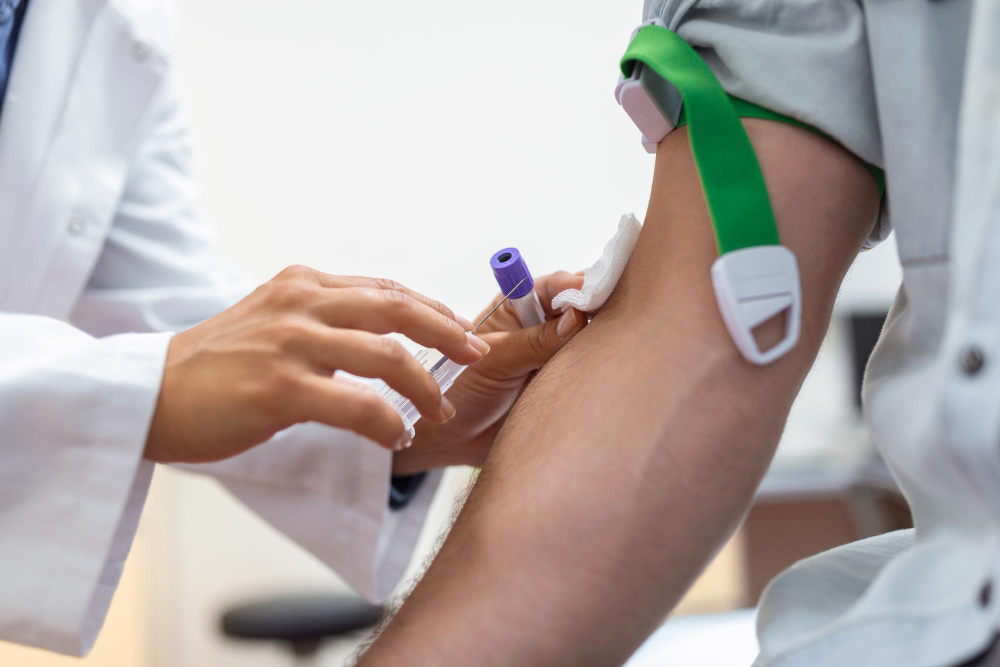
The HbA1c blood test is simple and quick. First, a healthcare worker takes a small blood sample from your arm or finger. Next, the sample goes to a lab for testing. You do not need to fast before this test. Most people feel only a mild pinch during the blood draw. Results are usually ready within a few days.
How to Prepare for the HbA1c Test
Good news: you do not need to do much to prepare for the HbA1c test. You can eat and drink as usual before your appointment. However, let your doctor know about any medicines you take. Some rare conditions, like anemia, may affect your results. If you have questions, ask your healthcare provider before the test.
Understanding Your HbA1c Test Results
Your HbA1c result is shown as a percentage. Here is what the numbers mean:
For people with diabetes, most doctors aim for an HbA1c below 7%. However, your target may be different based on your health. Always discuss your results with your doctor for the best advice.
Tips for Maintaining Healthy HbA1c Levels
Keeping your HbA1c in a healthy range can lower your risk of problems. Here are some tips to help you lower HbA1c:
Small changes can make a big difference over time. If you need help, ask your healthcare team for support.
Frequently Asked Questions About the HbA1c Test
In summary, the HbA1c test is a simple way to check your average blood sugar. It helps you and your doctor manage your health better. For personalized advice about your HbA1c test results, consult a healthcare provider at Ajey Diagnostic Pvt. Ltd.